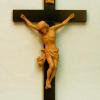
cappie Posted October 31, 2025 Posted October 31, 2025 The observance of All Souls’ Day has origins in early Christian traditions, where prayers and offerings were made for the dead. The formal practice was popularised in the 10th century by St Odilo of Cluny, a Benedictine abbot, who established November 2 as a day of universal prayer for the departed. On this day, Masses and prayers are offered for our loved ones. People commemorate in different ways. Some attend Mass, visit cemeteries, light candles, or place flowers, as symbols of remembrance and eternal life. Candles represent the light of Christ guiding souls to eternal rest, while prayers are acts of love that unite the living and the dead in spiritual communion. All Souls’ Day falls on a Sunday this year and serves as a touching reminder of life’s brevity and the enduring power of faith, love, and remembrance. As God told Adam, “For you are dust, and to dust you shall return.” (Book of Genesis 3:19). How wonderful it is to be remembered, and especially remembered by those who know us and understand us, and who hold us in their heart, whether these people actually be alive on this earth or whether they have died and are, in some way, still “alive in Jesus Christ.” Somehow their remembrance of us bridges the gap between this life and the next, helping in some way pave the way for us into eternity where we will be welcomed and reunited with those whom we actually know who have died before us. And when it’s done and said, I suspect that many of us will be glad to trade some of the images of heaven – pearly gates and gold-paved streets and the like – simply for a reunion with those who have formed us into the women and men that are Somehow that memory is kept alive, not just by you but by this precious one who has passed from this life to the next, and who remembers you. The other real grace in the church’s remembrance of the faithful departed is in the kindly remembrance of sinners. This day could as easily be called All Sinners Day. By “sin” I mean here a deep brokenness that has deformed who a person truly is or who the person was intended by God to be. Some of life’s brokenness comes from our own actions – things done and left undone, said and unsaid – which have may have had lifelong consequences. Some of this experience of the brokenness of “sin” comes from what has been “done unto us,” or “not done,” “said” or “not said.” And the scarring may be lifelong. Many people depart this life quite broken, not just in body but in spirit. Some people depart this life with no conscious awareness of God’s love for them. Some people depart this life leaving a residue of carnage among their survivors, generation to generation. Everything does not come round right in this life. In the Apostles’ Creed, one phrase in this ancient creed is deeply fraught with hope. We affirm that God the Son “descended to the dead.” An earlier English version says he “descended into hell.” You may find deep comfort in this belief that Jesus will seek him or her out, not unlike a shepherd in search of a lost sheep. And so this may invite prayer from “our” side of eternity: praying for someone who departed this life less than whole, or unreconciled, or deeply damaged in some way. This may be our whispering in Jesus’ ears about someone whom both you and Jesus know. Jesus may even be to you a kind of eternal ombudsperson to listen to your cares or distress or anger or sighing about a departed person, things which could not have been communicated in this life, for whatever reason. You may welcome Jesus to be your mediator between you and another person. Someone asked me recently, “How long should I pray for someone who has died?” And I said, “I don’t know. But you will know. Something will change. You will know.” I think that is so for all of us… as we anticipate a larger life beyond this mortal life, “ And God shall wipe away all tears from their eyes; and there shall be no more death, neither sorrow, nor crying, neither shall there be any more pain: for the former things are passed away.” Revelation 21:4 So, with this celebration we come to the Lord in faith, praying that the souls of the dead, through God’s mercy, may rest in peace. Amen
Recommended Posts
Create an account or sign in to comment
You need to be a member in order to leave a comment
Create an account
Sign up for a new account in our community. It's easy!
Register a new accountSign in
Already have an account? Sign in here.
Sign In Now